Turn Unused Space Into Livable Rooms
Basement finishing services built for homes in London, Kentucky.
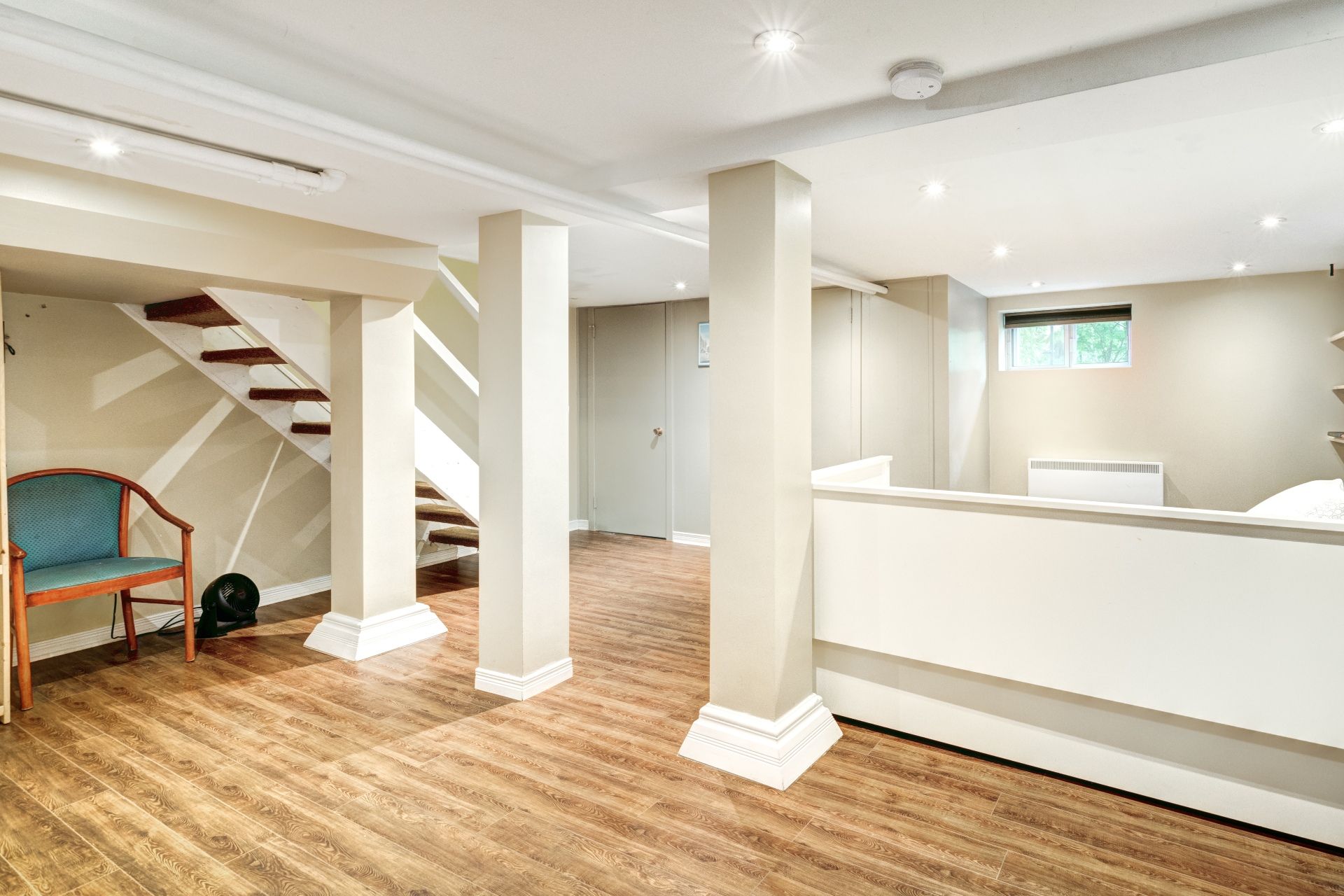
If your basement in London sits empty except for a water heater and storage boxes, you are sitting on square footage that could become a family room, home office, or dedicated storage area. Many homes in London were built with unfinished basements that stay damp or unused because they were never designed for daily living. Basement finishing changes that by adding insulation, moisture barriers, framing, drywall, and flooring that turn concrete walls and open joists into functional rooms.
Paco Construction builds basements designed to handle the moisture and foundation conditions common in London. The work includes vapor barriers along walls and floors, proper drainage routing, and framing that accounts for uneven concrete or settling. You end up with dry, well-lit rooms that feel like part of the main house instead of a place you avoid. The finished space adds living area without changing your roofline or yard, and it increases your home's overall value and usability.
If you want to use your basement for more than storage, reach out to discuss what a finished layout could look like in your London home.
How the Work Handles Structure and Moisture
The process starts with an inspection of your basement's foundation walls, floor slab, and any visible moisture or drainage issues in London. Paco Construction installs vapor barriers to stop moisture from passing through concrete, then frames interior walls using treated lumber that resists mold. Insulation goes between studs before drywall is hung, taped, and finished. Flooring options include subfloor systems that stay dry even if minor dampness occurs underneath.
Once the work is done, you will notice the basement stays warmer in winter and cooler in summer, with no musty smell or visible condensation on walls. Lighting, outlets, and HVAC vents make the space comfortable year-round. You can walk downstairs in socks without feeling cold concrete, and the rooms look and function like any other part of your home.
The build includes all framing, drywall, painting, and flooring, but does not cover plumbing for bathrooms or kitchenettes unless specified. Electrical work is coordinated with local code requirements, and inspections are scheduled as needed. The timeline depends on the size of the basement and whether structural repairs are required before finishing begins.
Questions That Come Up Before Starting
Homeowners in London often ask about moisture control, layout options, and how long the work takes before they commit to finishing a basement.
Paco Construction works with homeowners in London to design basement layouts that fit how you actually use your home, whether that means a playroom, extra bedroom, or climate-controlled storage. Contact us to walk through your basement and talk through what is possible given your foundation and moisture conditions.